


Gourmet Foods & Prepared Meals
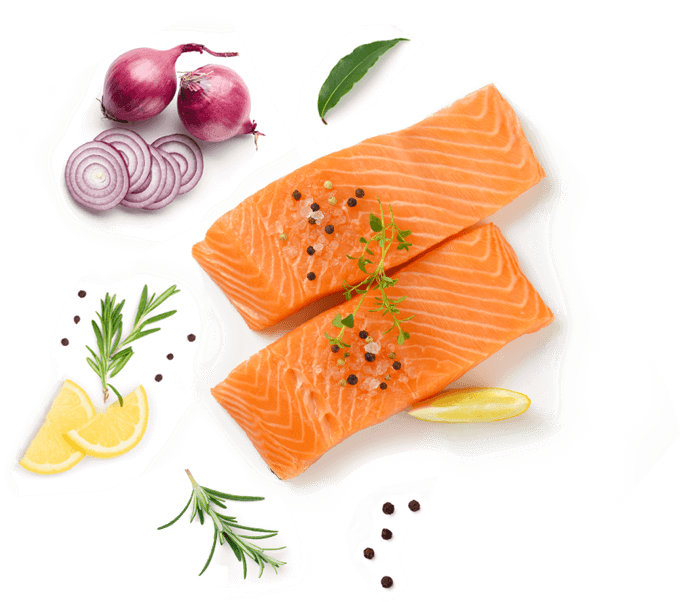
Fine Gourmet Foods, Frozen
At Mackenzie Limited, we source the finest, frozen gourmet foods delivered to your door.

All of our high-end prepared foods require little to no preparation, making entertaining or everyday meals effortless. While we’re known for our Scottish Smoked Salmon, our fine gourmet foods and gifts are why customers have been coming back to us year after year. We’d love to send you our gourmet food catalog, full of everything from gourmet frozen appetizers and quality seafood, such as crab cakes and Maine lobster, to decadent desserts like our layer cakes and petit fours. Enjoy quality, gourmet frozen food delivery with restaurant-style culinary cuisines and exquisite mouthwatering sweets from Mackenzie Limited.
Bon appetit!


Our Customers Come First
-
"Mackenzie is a high quality gourmet food company. I have been very happy with everything I have ordered and will continue shopping for my gourmet items via this catalog." -Elizabeth
-
"My order was a gift for a family member who was recovering from surgery, and she was SO pleased to receive the gourmet dinner and dessert! Beautiful, delicious, easy to prepare food. How could it not be wonderful?!" -Clarissa
-
"Beautifully presented. Great choice gourmet foods" -Lenore
-
"I have ordered several times from Mackenzie Limited, and must say their products are top caliber for a frozen food gourmet line." -Connie
-
"The products arrive frozen with clear cooking instructions for a gourmet meal." -Susan
-
"Your food is so good I'm thrilled to have it available and sent promptly! I broke my foot and leg 6 months ago and my husband and I lived off your gourmet food for the duration of recovery! Thank you!" -Kathryn
-
"Love Mackenzie! I have so many favorites. My favorite gourmet food website." -Ellen

CHEF'S GOURMET FOOD OF THE WEEK
Lemon Crunch CakeSo good, you'll look for excuses to serve it
This Lemon Crunch Cake may be humble in appearance, but you will find yourself looking for any way you can to get it to the serving table. It's a moist cake with a decidedly citrus flavor, making it both deliciously rich and light on the palate. It evokes spring and summer, but this Lemon Crunch Cake is really great year-round. It makes a wonderful, light dessert—especially after a rich and savory meal, like a summer barbecue. The real trick, however, is that it can easily be served as a coffee cake with breakfast or brunch, or as a snack with afternoon tea. No matter how or when you serve it, you'll appreciate its refreshing lemon flavor and moist texture. A must-have.
SHOP NOW